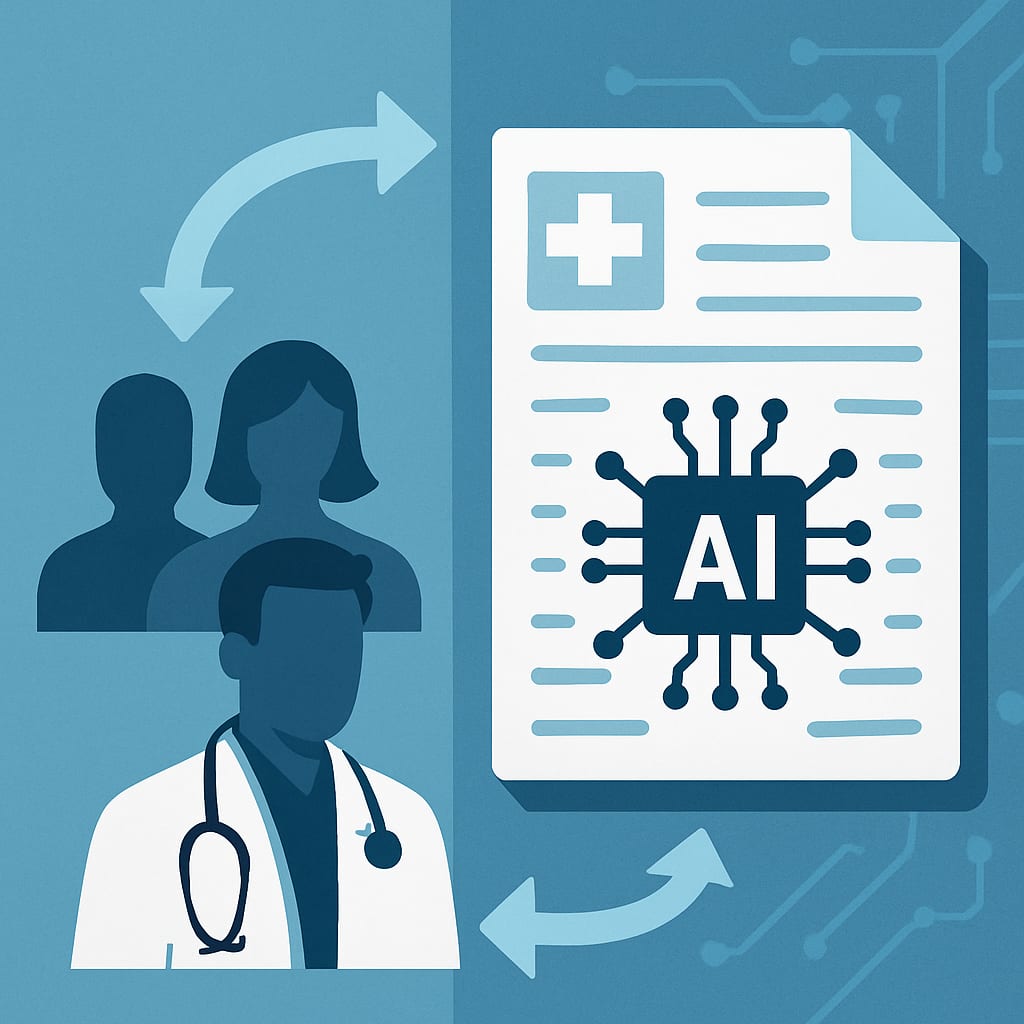
Private medical clinics on both sides of the Atlantic are wrestling with rising administrative loads. Whether it’s documenting protocols, onboarding new staff, processing patient enquiries, or coordinating daily tasks, the sheer volume of operational work can drain time and energy. Increasingly, clinics are discovering that the most effective way to reduce this pressure isn’t by adding more people-but by using AI to take on the repetitive cognitive work humans were never meant to shoulder.
AI isn’t here to sideline teams. It’s here to remove friction, enhance clarity, and give clinicians and administrators more time to do the work that actually requires human insight. When used well, AI becomes the quiet engine that keeps a clinic running smoothly in the background.
Where AI Adds the Most Value
Some operational tasks in clinics are perfect candidates for automation. They share a common thread: repetitive structure, heavy cognitive load, and low requirement for complex judgement.
- SOPs and Internal Documentation - Producing standard operating procedures, memos, clinical checklists, and workflow guidelines often consumes far more time than it should. AI solves this by generating structured, readable drafts in minutes. The human still reviews, adjusts, and approves-but the blank page problem disappears.
- Onboarding and Training - Every clinic wants new staff to hit the ground running, but creating onboarding materials, answering FAQs, and coordinating induction tasks can absorb days of administrative time. AI-based onboarding assistants can deliver structured guidance, compile training packs, and surface the right documents at the right time.
- Team Workflows and Internal Coordination - Scheduling rotas, allocating daily responsibilities, triaging patient messages, or routing documents are all tasks that AI can manage efficiently. The result isn’t fewer jobs. It’s more human bandwidth for higher-order work.
- Drafting Clinical and Administrative Notes - AI-supported documentation is proving one of the biggest operational boosts. Tools that turn spoken consultations into structured drafts have already saved thousands of hours of clinician time. Clinicians still review and finalise-but AI does the first 80%.
Why the Gains Are Real
Every clinic that adopts AI for drafting and processing documentation reports similar outcomes: smoother workflows, fewer bottlenecks, and a marked reduction in mental load. The biggest advantages:
- Speed - Drafts produced in seconds rather than hours.
- Consistency - Standardised language and formatting across the practice.
- Reduced errors - Fewer omissions when structured templates guide the process.
- Cognitive relief - Less decision fatigue for staff handling repetitive tasks.
Maintaining Human Oversight Without Micromanagement
Set Clear Guardrails - Decide where AI can operate autonomously and where human review is mandatory. Guardrails allow AI to work independently within defined limits.
Monitor Outcomes, Not Every Action - The most efficient clinics review AI’s performance in snapshots-weekly or monthly-rather than micromanaging every decision.
Keep the Human Role Visible - AI works best as an assistant. Humans decide the standards, tone, and quality.
Building Trust: The Cultural Shift Clinics Must Lead
- Start Small and Demonstrate Quick Wins - Choose a single operational task, automate it with AI, and let the results speak for themselves.
- Involve Staff in the Process - Teams that help shape how AI is introduced are more likely to trust and adopt it.
- Provide Practical Training - Show staff how to use AI tools effectively, not just that the tools exist.
- Reinforce the ‘AI + Human’ Model - Make it clear that AI supports human work-it doesn’t replace it.
What This Means for the Future of Private Clinics
Clinics that embrace AI as an operational partner are already seeing:
- Smoother operations
- Less burnout
- Higher staff satisfaction
- Better patient experience
- More time for strategic growth
That partnership is where the real power lies.